Why Every Smart Home Needs a Skilled Residential Electrician
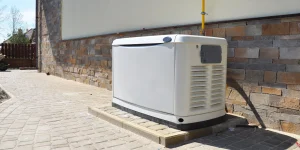


A smart home can look deceptively simple from the outside. A video doorbell here, a smart thermostat there, a few app-controlled lights, maybe a battery backup and an EV charger in the garage. Piece by piece, the house begins to feel more efficient, more secure, and more convenient. What many homeowners miss is that every new layer of convenience rests on an electrical system that has to carry the load safely, consistently, and without surprises.
That is where a skilled Residential Electrician becomes indispensable.
People often think of smart home upgrades as gadget purchases. In practice, they are infrastructure projects. Devices may be sleek and wireless on the surface, but the systems behind them are not casual. Smart switches need compatible wiring. Security systems need clean, reliable power. Whole-home automation hubs need thoughtful placement. High-draw additions such as induction ranges, heat pumps, tankless water heaters, and EV chargers can change the electrical profile of a home in meaningful ways. If those changes are handled poorly, the result is more than inconvenience. It can mean nuisance breaker trips, shortened equipment life, unreliable automation, and in the worst cases, genuine fire risk.
A good electrician sees the house as a system, not a pile of products. That perspective matters more with every new “smart” upgrade.
Smart homes are still electrical homes
There is a persistent myth that smart technology is mostly about software. Apps, voice assistants, cloud integrations, and Wi-Fi get most of the attention, so homeowners naturally focus on compatibility between brands and features. Yet the actual daily performance of a smart home usually depends on something much less glamorous: voltage stability, circuit capacity, grounding quality, panel condition, and code-compliant installation.
Take smart lighting. On paper, swapping a standard switch for a smart switch sounds like a quick job. In reality, many homes, especially older ones, do not have a neutral wire in every switch box. Some smart switches require one, some do not, and the “no-neutral” options come with their own quirks depending on the load and fixture type. A homeowner who does not know the difference may buy a box full of devices that flicker, fail to pair correctly, or behave erratically. A seasoned Residential Electrician will identify the wiring method before the purchase, recommend hardware that fits the house, and install it in a way that avoids callbacks and frustration.
The same pattern shows up with smart thermostats. On newer systems, the upgrade can be straightforward. On older HVAC setups, control wiring may be incomplete or nonstandard. A thermostat that looks perfectly compatible online may not have a common wire available, or it may interact poorly with older air handlers and zone boards. A weak workaround can leave a homeowner with a dead thermostat during a cold snap or a cooling failure in mid-summer. An electrician with smart home experience knows when the issue is electrical, when it is HVAC-related, and when coordination with another trade is the smartest move.
A well-designed smart home is not just connected. It is electrically coherent.
Convenience creates hidden demand
One of the most common mistakes in home upgrades is treating each device as small enough not to matter. A smart lock only sips power. A hub uses very little. Cameras are low draw. Smart blinds are modest. So far, so good. Then the same house adds a Level 2 EV charger, a garage mini-split, an upgraded kitchen with induction cooking, heated bathroom floors, and a hybrid water heater. Suddenly the service panel that was comfortable a few years ago is much closer to its practical limits.
This is not always obvious to the homeowner because many of these loads do not run constantly. They overlap unpredictably. A car may begin charging just as the dryer runs and the oven preheats. A battery backup system may engage under one set of conditions and stay idle under another. Smart controls can even shift when loads turn on, which changes how the system behaves. A professional load calculation is not glamorous, but it is one of the most valuable services an electrician provides during smart home planning.
I have seen homes where a family spent thousands on smart upgrades only to discover that their panel had little room left, several circuits were already stretched thin, and future additions would require either a subpanel or a service upgrade. Had they brought in a skilled electrician at the planning stage, the sequence could have been cleaner and less expensive. They could have grouped projects, pulled permits once, and sized the work for the next ten years instead of the next ten weeks.
That kind of foresight is one reason a Residential Electrician adds value far beyond installation labor.
Safety is not a side issue
When people hear “safety,” they often picture obvious hazards such as exposed wires or overloaded extension cords. Smart homes introduce subtler risks. A device may fit physically but not be rated for the box fill, the conductor size, or the connected load. A retrofit may disturb old wiring with brittle insulation. A dimmer may be paired with incompatible LED drivers. A camera transformer may be undersized. A DIY installer may tie into a circuit without understanding AFCI or GFCI requirements in that location.
These are not theoretical concerns. They show up in real homes all the time.
A skilled electrician brings habits that prevent trouble before it starts. Torqueing connections correctly matters. So does verifying conductor condition, checking box capacity, identifying multi-wire branch circuits, and respecting manufacturer instructions that many people never read past the first page. Good electricians also know when a “simple” installation is revealing a larger problem, such as aluminum branch wiring, a recalled panel, damaged grounding, or signs of chronic overheating at terminations.
Smart homes also depend on reliability in places where failure matters. A frozen smart lock on an exterior door is annoying. A failed sump pump monitor during a storm is not. A camera system that drops offline because of a poor power arrangement can leave the house exposed at the wrong moment. Homeowners do not always realize that the quality of the installation can shape the quality of the protection.
The panel is the heart of the modern house
If there is one part of the home that separates a basic upgrade from a well-planned one, it is the electrical panel. The panel determines what can be added, how safely it can be distributed, and how cleanly future work can be done. Yet many homeowners do not look inside it until something trips.
That approach makes less sense every year. Homes are adding more electrical loads, not fewer. Electrification is moving steadily forward. Gas appliances are being replaced with electric ones. Cars are plugging in. Backup power is becoming more common in areas with unstable grids. Solar and battery systems are entering mainstream residential work. Smart panels, energy monitoring, and load management tools are becoming practical options for many households.
A strong Residential Electrician can evaluate whether the existing panel is appropriate for those changes. Sometimes the answer is yes. Not every house needs a major upgrade. In a newer home with adequate service capacity and open breaker spaces, adding smart circuits can be routine. In an older house with a crowded or outdated panel, however, a piecemeal approach can become expensive. Tandem breakers, improvised workarounds, and unlabeled circuits usually signal a system that needs careful attention, not another layer of complexity.
This is especially important when planning around EV charging. A Level 2 charger is one of the clearest examples of a “smart” feature that is also a serious electrical project. Charger selection, breaker sizing, wire gauge, conduit routes, load calculations, and utility coordination all matter. The cheapest bid often leaves out the thought process that keeps the installation useful for the next vehicle, not just the current one.
Smart devices expose old wiring faster than old devices did
There is a practical reason older houses often struggle with smart upgrades: legacy wiring was never designed with today’s expectations in mind. A homeowner living with a slightly loose receptacle or a mildly overloaded bedroom circuit might never notice a problem with a lamp and a phone charger. Add a cluster of network gear, automated lighting, motorized shades, and a home office full of electronics, and the weaknesses become visible quickly.
Older switch loops without neutrals are a classic example. So are undersized boxes that cannot comfortably and legally accommodate bulky smart devices. Grounding can be inconsistent in homes that have seen decades of additions and partial remodels. Shared neutrals can complicate installations for anyone who lacks the experience to identify them safely. Some homes have a patchwork of wiring methods from different eras, each with its own installation considerations.
A competent electrician does more than make the new device work. They assess whether https://connerlmnh977.huicopper.com/the-role-of-a-residential-electrician-in-new-home-construction the underlying conditions support stable, long-term operation. Sometimes the best answer is not “yes” or “no,” but “yes, if we first correct these two issues.” That kind of judgment saves money over time because it prevents repeated troubleshooting and replacement.
Good electricians think about use, not just code
Code compliance matters. Any professional worth hiring should care about it deeply. But smart home work calls for another layer of thinking: how the homeowner will actually live with the system.
For example, placing a smart switch bank in a hallway may be technically correct, yet awkward if family members cannot tell which control affects which scene. Installing motorized shades without considering service access may be fine on day one and frustrating when a power supply needs attention later. Putting network equipment and automation hubs in a hot, cramped cabinet can lead to random failures that look like software problems but begin as electrical and heat-management problems.
The best electricians ask useful questions. Do you want this lighting scene tied to occupancy or time of day? Will this charger location still work if you buy a larger vehicle? Are you planning a backup generator next year? Would you rather have a whole-home surge protector at the panel than rely on strip protectors scattered around the house? Is there a chance the basement will be finished later?
These questions sound simple, but they separate installers from advisors. Smart homes work best when someone on the project understands both technical standards and human habits.
Surge protection and power quality matter more than most homeowners realize
Smart homes contain more sensitive electronics than houses did a generation ago. Refrigerators now have boards. Washers and dryers have boards. HVAC systems have boards. Doorbells, hubs, routers, access points, garage door openers, and smart appliances all rely on electronics that can be damaged by transient surges or degraded by poor power quality.
That does not mean every home needs an elaborate power-conditioning strategy. It does mean panel-level surge protection deserves serious consideration, especially in areas with frequent storms, utility fluctuations, or large motor loads. A skilled Residential Electrician can explain where a whole-home surge protector makes sense, what it can and cannot do, and how it fits with point-of-use protection for delicate equipment.
The same goes for nuisance issues that homeowners often blame on “bad devices.” Flickering LEDs, random reboots, intermittent disconnects, and unexplained equipment behavior sometimes trace back to loose neutrals, incompatible dimmers, voltage drop on long runs, or overloaded circuits. A knowledgeable electrician can separate genuine device defects from installation problems. That diagnostic skill is worth a great deal when a house contains dozens of interconnected products.
Security systems are only as dependable as their power plan
A smart home often starts with security. Cameras, doorbell systems, smart locks, flood sensors, motion detectors, and monitored alarm equipment promise peace of mind. Yet homeowners frequently underestimate the importance of structured power planning for these systems.
A reliable setup accounts for more than where to mount the camera. It considers transformer capacity, outlet placement, battery backup, and what happens during a power outage or router reset. In larger homes, there may be value in dedicated circuits for network closets or central equipment. If a PoE switch powers critical cameras, the backup strategy should reflect that. If exterior cameras depend on outlets in vulnerable locations, those points deserve careful attention.
I have seen homeowners spend heavily on cameras and recording hardware, then lose the entire system during a minor outage because the core equipment was plugged into a consumer power strip under a desk. That is not a product failure. It is a planning failure. Electricians who understand smart security installations can build resilience into the system from the beginning.
The cheapest install often becomes the expensive one
There is a reason experienced tradespeople are skeptical of bargain smart home work. The devices themselves already tempt people to optimize for price. Then they search for the lowest installation bid and assume all labor is interchangeable. It is not.
The less obvious costs of poor electrical work show up later. A switch that drops offline once a week. A tripping breaker that never seems to fail when the contractor is present. A charger that has to be derated because the original installation did not account for real-world capacity. Drywall opened twice because the first path for cable runs was chosen without enough thought. Replacement devices bought to solve a wiring issue they were never going to fix.
A good electrician usually reduces the total cost of ownership, even if the invoice is not the lowest number on the table. That is especially true in occupied homes, where clean work, accurate diagnosis, and future-ready planning prevent disruption. Homeowners remember how a project felt as much as what it cost. Precision matters. So does respect for the house.
What a skilled Residential Electrician brings to a smart home project
When homeowners ask what separates a truly useful electrical professional from someone who simply installs devices, the answer usually comes down to a handful of traits:
- the ability to evaluate the whole electrical system, not just the immediate task
- clear judgment about panel capacity, circuit design, and future loads
- familiarity with the quirks of smart switches, controls, low-voltage interfaces, and connected equipment
- disciplined, code-compliant workmanship that prioritizes reliability
- communication that helps the homeowner make sound decisions before money is wasted
None of this is flashy, but it is what makes a smart home feel seamless instead of temperamental.
Hiring for a smart home is different from hiring for a basic repair
Replacing a failed receptacle and planning a connected home are not the same assignment. A homeowner may be perfectly happy with a general service electrician for straightforward repairs, yet benefit from a more specialized conversation when automation, EV charging, backup power, or broader electrification enters the picture.
That does not mean you need the most expensive specialist in town for every project. It means you should ask better questions. Has the electrician installed the specific type of system you are considering? Do they understand neutral requirements for smart controls? Will they perform a load calculation if you are adding major new equipment? Are permits needed? If they see signs that your panel is becoming a limiting factor, will they tell you plainly or just squeeze one more circuit into the box?
A worthwhile hiring conversation often includes these practical topics:
- whether your current panel and service can support planned upgrades
- how the work will be permitted and inspected if required in your area
- what parts of the installation may need coordination with HVAC, solar, or networking professionals
- how future additions, such as batteries or another EV charger, could affect decisions made now
These are not sales questions. They are planning questions. The electrician who answers them well is usually the one thinking beyond the immediate invoice.
The smartest homes are built on boring excellence
The irony of the smart home market is that the most impressive systems often depend on work nobody notices. Clean home runs. Correctly sized conductors. Properly landed neutrals. Neatly labeled breakers. Sensible circuit separation. A surge protector installed at the panel. Enough capacity left for what comes next. Thoughtful placement of controls and equipment. None of this makes for flashy advertising, but all of it determines whether the house feels polished or patched together.
Homeowners tend to remember visible features. They show guests the automated shades and the app that turns on pathway lights at sunset. What they do not see is the difference between a rushed installation and one designed by a skilled Residential Electrician who understands how modern houses are actually evolving.
And that is the larger point. A smart home is not just a collection of connected products. It is an electrical ecosystem that has to be safe, scalable, and reliable under real daily use. The more devices and high-demand equipment a house adds, the more valuable professional judgment becomes. A skilled electrician protects the home from avoidable risk, helps the technology perform the way it was promised, and creates room for the next upgrade before it becomes urgent.
That is why every truly smart home needs one.
Paxos Electric Company, LLC
255 NJ-15, Wharton, NJ 07885, United States
+1 973-598-8543
FAQ About Residential Electrician
What does a residential electrician do?
A residential electrician installs, inspects, maintains, and repairs electrical systems in homes. Common services include troubleshooting circuits, replacing panels, adding outlets and lighting, and completing electrical work for renovations.
When should I call an electrician for my home?
Call a licensed electrician if you notice repeated breaker trips, flickering lights, buzzing, burning odors, warm outlets, sparks, or unexplained power loss. Urgent warning signs should be addressed promptly.
Can a residential electrician upgrade an electrical panel?
Yes. A qualified electrician can evaluate the existing service, determine whether an upgrade is appropriate, obtain required permits, and install a panel sized for the home and planned electrical loads.
Do I need an electrician to install an EV charger?
A home EV charger often needs a dedicated circuit and a review of panel capacity. A licensed electrician can confirm the manufacturer requirements and complete the installation according to local electrical codes.